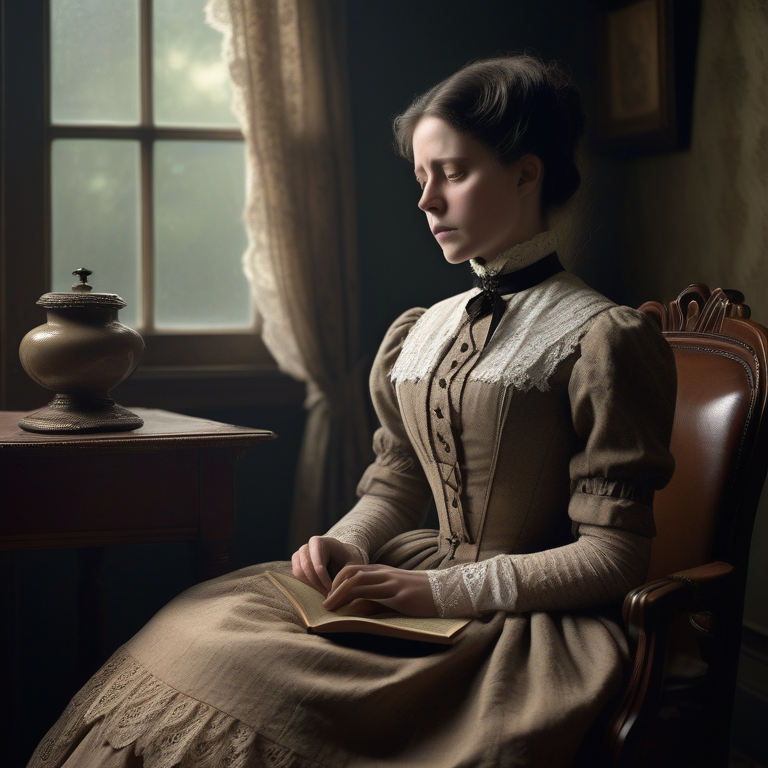
The Victorian Era and Female Sexuality

Key Highlights
- The Victorian era saw a strict division of gender roles, with women being confined to the domestic sphere and men being involved in the public sphere.
- Victorian society had rigid expectations of women’s behavior and sexuality, with the ideal Victorian woman being seen as pure, virtuous, and sexually passive.
- Literature and art played a significant role in shaping societal perceptions of female sexuality during the Victorian era.
- The legal standing of women in the Victorian era was limited, with laws and regulations favoring men in areas such as marriage, property rights, and divorce.
- The Victorian era saw a dichotomy between public morality, which expected women to be chaste and virtuous, and private desires, which often involved sexual exploration and desire.
- Medical views on female sexuality during the Victorian era were often based on misconceptions and stereotypes, such as the belief in female hysteria.
Introduction
The Victorian era, spanning from 1837 to 1901, was a period of significant social, cultural, and political change in England and throughout the British Empire. It was a time when strict gender roles and societal expectations shaped every aspect of life, including female sexuality. Women in Victorian society were expected to adhere to a strict set of rules and ideals that dictated their behavior, appearance, and relationships, with little room for inclusion or acceptance of diverse sexual identities.
During this era, Queen Victoria reigned over England, and her influence on Victorian culture cannot be overstated. The Victorian era was characterized by a strong emphasis on morality, modesty, and domesticity. Women were seen as the moral guardians of the home, responsible for upholding virtue and purity within the family unit.
However, beneath the surface of Victorian respectability, there was a complex reality of female sexuality that often contradicted societal norms. This blog will explore the key highlights of female sexuality during the Victorian era, including the ideal Victorian woman, the role of literature and art in shaping perceptions, the legal standing of women, the dichotomy of Victorian sexuality, medical views on female sexuality, the underground world of lesbianism, and the role of reform movements and female activism in shaping the identities of women in Victorian Britain.
By examining these aspects of Victorian female sexuality, we hope to gain a deeper understanding of the complexities and contradictions that existed within this seemingly repressive era.
Understanding Victorian Society and Gender Norms
Victorian society was deeply entrenched in rigid gender norms, dictating the roles and behavior expected of men and women. Women were idealized as paragons of virtue, expected to embody qualities of purity, piety, and domesticity. In contrast, men held positions of power and authority, both in the public and private spheres. These gender norms were reinforced through literature, art, and social expectations, perpetuating the ideals of the “Angel in the House” for women and the concept of patriarchal dominance for men. Understanding these societal constructs is crucial in unraveling the complexities of Victorian culture.
The Ideal Victorian Woman: Myths vs. Reality
In Victorian society, the concept of the ideal woman was deeply ingrained, encompassing virtues like purity, piety, and domesticity. However, the reality often diverged from these lofty expectations. While the prevailing myth painted women as delicate flowers confined to the home, many Victorian women actively participated in social causes and charitable endeavors, challenging the traditional role of motherhood. Despite the perceived perfect image of the Victorian woman, the reality was a complex tapestry of resilience and adaptability in the face of societal constraints. These women navigated a fine line between societal expectations and their own aspirations, challenging the rigid norms of the era.
The Role of Literature and Art in Shaping Perceptions
Literature and art during the Victorian Era played a pivotal role in shaping societal perceptions of female sexuality. Through works like novels and paintings, prevalent ideals of femininity and moral conduct were reinforced, often portraying women as virtuous and chaste. However, some literary pieces subtly challenged these norms, depicting the struggles and desires of women in a restrictive society. Artists and writers, such as Sharon Marcus, used their creative platforms to subtly critique the rigid expectations placed on women, providing a nuanced perspective on the complexities of female sexuality within the confines of Victorian culture. Additionally, the use of language and symbolism in Victorian literature, such as the works of Stanford English scholar Claire Jarvis, explored the aesthetics of sexuality and challenged traditional notions of eroticism and desire.
The Legal Standing of Women
During the Victorian Era, the legal standing of women was significantly restricted, reflecting the prevailing societal norms and gender biases. Marriage laws and property rights heavily favored men, leaving women with limited autonomy and financial independence. Divorce proceedings were arduous for women, often resulting in the loss of custody rights and financial support. The legal system perpetuated the subjugation of women, reinforcing their role as dependents rather than equal individuals. These legal constraints profoundly impacted women’s lives, limiting their agency and ability to navigate legal matters independently.
Marriage Laws and Property Rights
During the Victorian Era, marriage laws and property rights heavily favored men, reflecting the societal norms of the time. Women essentially lost legal existence upon marriage, with their rights and possessions merging with their husbands’. The Married Women’s Property Act of 1882 was a notable improvement, allowing some protection for women’s assets. However, the fundamental imbalance persisted, limiting women’s financial independence and autonomy, including their right to consent to sexual intercourse. This unequal legal standing, reinforced by laws such as the Matrimonial Causes Act 1857, underscored the unequal power dynamics within marriages, reinforcing the patriarchal structure of Victorian society. Understanding these historical contexts sheds light on the challenges faced by women of that era.
Divorce and Custody Battles: A Glimpse into the Plight of Women
The divorce and custody battles of the Victorian Era offer a poignant glimpse into the challenges faced by women during that time. The legal framework heavily favored men, leaving women in dire situations when seeking separation. Custody rights almost always defaulted to the fathers, often disregarding the mother’s capabilities and bond with her children. This unequal treatment underscored the entrenched gender disparities prevalent in Victorian society, where women’s rights were frequently overlooked in matters of marriage and family.
The Dichotomy of Victorian Sexuality
Public morality in Victorian England often clashed with private desires, highlighting a stark dichotomy in attitudes towards sexuality. While the era projected an image of restraint and virtue, private behaviors sometimes contradicted these societal norms, including the prevalence of sexual promiscuity. The concept of ‘The Fallen Woman’ epitomized this paradox, where individuals engaged in perceived immoral activities faced severe societal repercussions. This tension between outward morality and hidden desires underscored the complexities surrounding Victorian sexuality, shedding light on the intricate dynamics of a society that grappled with maintaining a façade of respectability while navigating individual passions and forbidden inclinations.
Public Morality vs. Private Desires
Public morality in Victorian England imposed strict standards on behavior, contrasting with private desires that often sought freedom from societal constraints. This dichotomy between outward appearances and inner longings permeated various aspects of life, including sexuality. While society projected an image of moral rectitude, individuals harbored private desires that sometimes challenged these norms. The tension between public expectations and personal inclinations created a complex dynamic where individuals navigated between conformity and hidden desires, highlighting the intricate interplay between societal expectations and individual yearnings in the Victorian era.
The Phenomenon of ‘The Fallen Woman’
During the Victorian era, the concept of ‘the fallen woman’ was prevalent in society, reflecting the moral judgments placed on women who engaged in sexual activities outside wedlock. These women were often ostracized and deemed morally corrupt, facing severe social repercussions. Literature and art of the time frequently depicted these women as tragic figures, emphasizing the consequences of straying from societal norms. This phenomenon highlights the rigid moral codes and double standards that governed Victorian society, restricting female autonomy and reinforcing traditional gender norms. The stigmatization of ‘the fallen woman’ perpetuated societal views on female sexuality and virtue.
Medical Views on Female Sexuality
During the Victorian Era, medical views on female sexuality were deeply intertwined with societal perspectives. Hysteria, a condition believed to stem from the uterus, was commonly diagnosed to control women’s behavior. Treatments included pelvic massages to induce “hysterical paroxysm,” now understood as orgasm. The constraining corset, popular during this time, was believed to safeguard women’s reproductive health despite the detrimental impact on their physical well-being. These archaic beliefs and practices highlight the limited understanding of female sexual desire and the prevailing patriarchal norms dictating women’s health decisions. The medical community, including figures like Dr. William Acton, played a significant role in perpetuating societal expectations and constraints on female sexuality, especially during the 19th century.
Hysteria and Its Treatments
In the Victorian era, hysteria was a common diagnosis for women experiencing a wide range of symptoms, often related to mental health issues. The treatments for hysteria varied widely and sometimes included questionable practices such as hydrotherapy, rest cures, or even confinement in asylums. These treatments were based on the erroneous belief that a woman’s reproductive system was the root cause of her hysteria. The lack of understanding of female sexuality and mental health led to harmful interventions that perpetuated societal misconceptions about women’s well-being. Understanding the historical context of hysteria sheds light on the challenges women faced in seeking appropriate healthcare.
The Constraining Corset: Fashion and Female Health
During the Victorian Era, the corset was a ubiquitous fashion item that women wore to achieve the desired hourglass figure, symbolizing societal ideals of femininity. However, this garment also had detrimental effects on women’s health, particularly in regards to physical activity. In the early part of the nineteenth century, it was widely believed that physical activity was dangerous and inappropriate for women, and the corset was seen as a way to restrict movement and preserve their health for the purpose of birthing healthy children. Medical professionals of the time voiced concerns about the impact of corsets on women’s well-being, highlighting the conflict between societal beauty standards and physical health. The corset exemplified the cultural pressures imposed on women during that era, reflecting a complex interplay between fashion and female health.
The Underground World
The Victorian era harbored a clandestine underbelly often overlooked in historical narratives – the underground world. In the shadows of Victorian society, elements of vice and secrecy thrived, revealing a stark contrast to the outwardly prim and proper façade. Prostitution, secret societies, and illicit affairs flourished beneath the surface, challenging the rigid social norms of the time. These hidden aspects shed light on the complexities and contradictions within Victorian England, adding depth to our understanding of a society shrouded in dichotomies and moral ambiguities.
Prostitution in the Victorian Era
Prostitution in the Victorian Era was prevalent, reflecting societal hypocrisy and the struggles faced by women. Women often turned to this profession out of economic desperation or the inability to gain work, poverty, and circumstance. The moral façade of the time condemned such activities publicly, yet covertly sustained them. Prostitutes faced severe social stigma and limited legal protections, being marginalized by both the law and society. The era’s treatment of these women mirrored the overarching double standards and challenges that females encountered in a rigidly patriarchal Victorian society, including the criminalization of acts of gross indecency between men in the 1885 Criminal Law Amendment Act.
Secret Societies and Illicit Affairs
Secret societies and illicit affairs were not uncommon in Victorian England, despite the facade of strict moral values. Underneath the respectable veneer of society, clandestine groups and extramarital liaisons thrived in the shadow. These secretive associations often catered to desires deemed unacceptable by societal norms, providing an outlet for individuals constrained by the rigid expectations of the era. Illicit affairs, shrouded in secrecy, allowed individuals to explore forbidden passions discreetly while maintaining a façade of propriety in the public eye. The hidden world of secret societies and forbidden affairs added a layer of intrigue to the seemingly prim and proper Victorian society.
Reform Movements and Female Activism
Reform movements and female activism during the Victorian Era played a pivotal role in challenging societal norms and advocating for women’s rights. The Suffragette Movement, led by notable figures like Josephine Butler, aimed to secure voting rights and equality for women. Simultaneously, education and employment reforms opened doors for women to participate more actively in public life, spurred on by the industrial revolution. These movements marked a significant shift towards gender equality and paved the way for future advancements in women’s rights.
The Suffragette Movement
The Suffragette Movement was a pivotal moment in history, marking a significant shift towards gender equality. Women’s rights activists, like Emmeline Pankhurst, fought tirelessly for the right to vote. Their efforts culminated in the Representation of the People Act in 1918 in the United Kingdom and later the Nineteenth Amendment in the United States. These milestones paved the way for future generations to participate in the democratic process, marking the end of the century-long struggle for women’s suffrage. The movement’s impact resonates to this day, highlighting the importance of perseverance in the face of adversity.
Education and Employment Reforms
Education and employment reforms during the Victorian Era marked a pivotal shift in societal perceptions of women’s capabilities. Institutions like Cambridge University Press began to open their doors to female students, challenging traditional gender roles. This era saw the emergence of influential figures like Josephine Butler, advocating for women’s education and employment rights in fields such as mining, engineering, and heavy industry. These movements laid the groundwork for broader social change and set the stage for future advancements in gender equality. The Victorian period, despite its constraints, played a crucial role in shaping the trajectory of women’s education and professional opportunities, ushering in a period of great change for women’s rights.
The Victorian Era in Literature
Female authors played a significant role in shaping the literary landscape during the Victorian era. Despite societal constraints, writers like the Brontë sisters, George Eliot, and Mary Elizabeth Braddon emerged, challenging traditional norms through their works. Their narratives often delved into the complexities of female experiences, critiquing the limited roles imposed by society. Moreover, censorship norms of the time influenced the portrayal of women in literature, sometimes leading to veiled critiques of the existing social order. These authors, along with influential male figures like John Ruskin, paved the way for a more nuanced understanding of femininity and societal expectations in Victorian literature.
Female Authors and Their Contribution
Female authors in the Victorian era made significant strides in challenging societal norms through their literary works. Writers like George Eliot and the Brontë sisters defied conventions, adopting male pen names to ensure their works were taken seriously. Their novels explored themes of independence, agency, and societal constraints on women. Through their daring narratives, these female authors played a pivotal role in shaping discussions around female sexuality and empowerment, paving the way for future generations of women writers to continue pushing boundaries and advocating for gender equality in the literary world.
Censorship and the Female Voice
During the Victorian Era, censorship played a significant role in silencing the female voice. Social norms and literary restrictions restricted women writers from openly expressing their opinions on taboo subjects, such as queer identities. The Labouchere Amendment of 1885, which lead to the imprisonment of the famous playwright, author, and aesthetics lecturer Oscar Wilde, serves as a prime example of the consequences for those who dared to challenge societal norms. Despite these challenges, some brave women, like Wilde’s contemporary George Egerton, broke through these barriers, challenging the norms of the time and speaking out about such things. The suppression of women’s voices in literature reflected the broader oppression prevalent in Victorian society, highlighting the struggle for gender equality and the right to freedom of expression.
Conclusion
The Victorian Era was a complex time for female sexuality, influenced by societal norms and legal constraints. Literature and art played crucial roles in shaping perceptions. Despite struggles with legal rights and public morality, reform movements like suffrage and education began to challenge the status quo. The dichotomy between public expectations and private desires underscored the challenges women faced. By exploring the underground world of prostitution and secret societies, we uncover the hidden realities of that era. Through the voices of female authors, censorship, and activism, we see the evolving landscape of female empowerment. Share this illuminating journey through history on social media to continue the conversation.
Frequently Asked Questions
How Did Victorian Laws Affect Women’s Rights?
Victorian laws had a significant impact on women’s rights and legal standing. Women were legally subordinate to their husbands, with limited property rights and legal protections. It was not until the late Victorian era that women began to gain legal rights and recognition.
Was There Any Form of Feminist Movement During the Victorian Era?
Yes, there were various feminist movements during the Victorian era. Women like Emmeline Pankhurst fought for suffrage rights. Despite societal constraints, these movements laid the foundation for future feminist activism.
How Did Victorian Attitudes Towards Sexuality Influence Modern Perspectives?
Victorian attitudes towards sexuality laid the groundwork for modern perspectives through discussions on gender roles, moral standards, and sexual freedoms. The societal constraints of that era continue to shape contemporary views on relationships, identity, and personal autonomy.
In what ways did literature or art reflect or subvert societal norms regarding female sexuality in the Victorian Era?
Literature and art in the Victorian era often mirrored or challenged societal views on female sexuality. Through works of fiction and artistic expressions, women’s roles, desires, and struggles were depicted, sometimes conforming to expectations, while other times questioning and subverting established norms.