Tilda Swinton: Redefining Beauty Standards Through Artistry

Key Highlights
- Tilda Swinton, known for her unconventional beauty, has redefined beauty standards through her artistry
- She challenges Hollywood norms by choosing roles that go against the conventional idea of beauty
- Swinton’s androgynous style and artistic expression have made her an icon in the fashion industry
- Her performances and characters have had a significant impact on public perception of beauty and femininity
- Swinton has also been a vocal advocate for the LGBTQ+ community and has used her platform to promote queer representation and activism
Introduction
Tilda Swinton, a name that resonates with artistic brilliance and unconventional beauty. She has captivated audiences with her enigmatic charm and bold choices in both her roles and personal style. Swinton’s ability to challenge traditional beauty standards and redefine what it means to be beautiful has made her a true icon in the world of art and cinema. In this blog, we will explore how Tilda Swinton has used her artistry and her aristocratic lineage to redefine beauty standards and leave an indelible mark on the industry. Born in London on November 5, 1960, Swinton’s birth into an aristocratic Scottish family has played a significant role in shaping her unique perspective and approach to beauty.
The Enigma of Tilda Swinton: Beyond Conventional Beauty
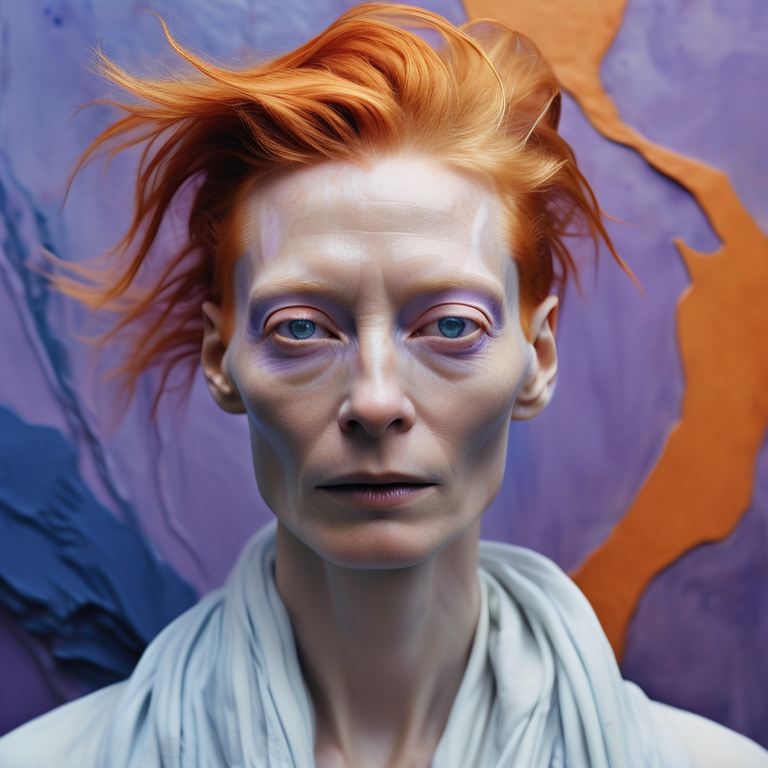
Tilda Swinton’s allure lies in her ability to transcend the boundaries of conventional beauty. In an industry dominated by standardized notions of attractiveness, Swinton dares to be different. Her androgynous features and striking presence challenge the norms of Hollywood beauty, proving that true beauty is not limited to a specific mold. Swinton’s unique appearance and captivating aura, combined with her powerful performances, create a beautiful thing that goes beyond traditional standards of beauty. Her talent and enigmatic presence have made her a standout figure in the entertainment world, capturing the attention and admiration of audiences worldwide.
How Tilda Swinton’s Looks Challenge Hollywood Norms
Tilda Swinton’s unconventional looks have become her trademark, challenging Hollywood’s narrow beauty standards. While many actors strive to fit into a specific mold, Swinton embraces her uniqueness and refuses to conform. Her ability to transform herself for different roles, including her Oscar-winning performance in Michael Clayton, showcases her versatility and dedication to her craft. By defying Hollywood norms, Swinton has paved the way for a more inclusive and diverse industry, showing that beauty comes in all forms.
The Role of Androgyny in Swinton’s Artistic Expression
Androgyny has played a significant role in Tilda Swinton’s artistic expression. Her ability to blur the lines between masculine and feminine has allowed her to explore a wide range of characters and challenge societal expectations. Swinton’s androgynous style and aesthetic have not only influenced the fashion industry but have also empowered individuals to embrace their own unique identities. By embracing androgyny, Swinton has become a symbol of liberation, encouraging others to break free from rigid gender norms.
Tilda Swinton’s Iconic Roles and Their Impact on Public Perception
Tilda Swinton’s iconic roles have had a profound impact on public perception of beauty and femininity. From her mesmerizing portrayal of the gender-bending Orlando in Sally Potter’s ‘Orlando’ to her captivating performance as The Ancient One in Doctor Strange, Swinton has consistently pushed the boundaries of what it means to be beautiful. Her characters break free from societal constraints, challenging audiences to question their preconceived notions of beauty and embrace diversity in all its forms.
Exploring Swinton’s Transformations: From Orlando to The Ancient One
Tilda Swinton’s ability to completely transform herself for her roles is unparalleled. In Orlando, she embodied both male and female characteristics, blurring the lines of gender in a way that was both captivating and thought-provoking. Her portrayal of The Ancient One in Doctor Strange showcased her versatility as an actor, immersing herself in a character that defied traditional gender norms. Swinton’s transformations not only demonstrate her exceptional acting skills but also challenge societal norms and expectations, opening up new possibilities for representation in cinema.
Breaking the Mold: Swinton’s Characters and Their Cultural Significance
Tilda Swinton’s characters have had a significant cultural impact, breaking the mold of traditional portrayals of beauty and femininity. From her role as the androgynous Gabriel in Constantine to her powerful performance as the White Witch in The Chronicles of Narnia, Swinton has brought diversity and complexity to her characters, challenging mainstream narratives. These groundbreaking portrayals have not only widened the scope of representation in cinema but have also inspired a new generation of actors and artists to challenge societal norms and redefine beauty on their own terms. In recognition of her talent and impact, Swinton has won numerous awards, including a BAFTA and an Oscar for best supporting actor for her portrayal of a corporate lawyer in Michael Clayton.
Tilda Swinton and Fashion: A Symbiotic Relationship
Tilda Swinton’s avant-garde style has made her a fashion icon, and her collaborations with designers have become legendary. Her unique fashion choices have inspired designers and challenged traditional notions of red carpet glamour. Swinton’s symbiotic relationship with fashion is not merely about clothes; it is a form of artistic expression that complements her work in film and performance art. Through her fashion choices, Swinton continues to redefine beauty and inspire others to embrace their own individuality.
Swinton’s Red Carpet Revolution: A New Aesthetic for Celebrities
Tilda Swinton’s red carpet appearances have revolutionized the way celebrities are perceived. By rejecting mainstream trends and embracing her own unique style, Swinton has shattered the mold of traditional red carpet glamour. Her avant-garde fashion choices challenge societal expectations, proving that beauty and style are not limited to conventional norms. Swinton’s fearless approach to fashion has inspired a new generation of celebrities to embrace individuality and use their platform to redefine beauty standards.
Collaborations with Designers: Fashion as an Extension of Artistry
Tilda Swinton’s collaborations with designers have blurred the lines between fashion and art. Her partnerships with renowned fashion houses such as Dior and Chanel have produced iconic red carpet moments that are as much about self-expression as they are about style. Swinton’s ability to seamlessly integrate fashion into her artistic identity has created a symbiotic relationship that transcends traditional boundaries. Through her collaborations, Swinton has elevated fashion to the realm of art, showcasing the transformative power of clothing and its ability to convey emotion and identity.
Swinton’s Contribution to the LGBTQ+ Community Through Art
Tilda Swinton has been a vocal advocate for the LGBTQ+ community and has used her artistry to promote inclusivity and acceptance. Her portrayal of queer characters and her involvement in films that explore LGBTQ+ themes have shed light on important issues and contributed to greater visibility and representation. Swinton’s activism extends beyond her work on screen; she has been a strong ally and supporter of LGBTQ+ rights, using her platform to amplify voices and advocate for change.
Queer Representation and Advocacy: Swinton’s Influence
Tilda Swinton’s commitment to queer representation and advocacy has had a profound impact on the LGBTQ+ community. Through her powerful performances and outspoken support, Swinton has helped challenge stereotypes and increase visibility for queer individuals. Her portrayal of diverse queer characters has provided audiences with a more nuanced understanding of the LGBTQ+ experience, fostering empathy and understanding. Swinton’s influence reaches far beyond the screen, as she continues to use her voice and platform to advocate for equal rights and acceptance.
The Importance of Non-Conformity: Lessons from Swinton’s Life and Roles
Tilda Swinton’s life and roles, including her collaborations with director Derek Jarman, serve as a powerful reminder of the importance of non-conformity. Her refusal to fit into a specific mold and her dedication to embracing her own unique identity, as seen in her role in Caravaggio, have inspired countless individuals to do the same. Swinton’s commitment to authenticity and self-expression serves as a lesson for all, reminding us that true beauty lies in embracing our differences and celebrating our individuality. By defying societal expectations and challenging norms, Swinton has become a beacon of inspiration for those seeking to break free from the constraints of conformity.
The Power of Performance: Swinton’s Art Installations and Live Acts
Tilda Swinton’s art installations and live acts are a testament to the transformative power of performance. Through these immersive experiences, Swinton blurs the lines between art and reality, inviting audiences to engage with her work on a deeper level. Her installations, such as the Sleeping Beauty exhibit, challenge traditional notions of beauty and provoke thought and introspection. Swinton’s live acts, such as her iconic performance in The Maybe, where she became a work of art herself, captivate audiences, leaving a lasting impact and creating a space for exploration and contemplation.
Blurring the Lines Between Art and Reality: Swinton’s Sleeping Beauty Exhibit
Tilda Swinton’s Sleeping Beauty exhibit is a prime example of her ability to blur the lines between art and reality. In this immersive experience, Swinton lies sleeping in a glass box, inviting viewers to observe her as she enters a state of vulnerability and surrender. The exhibit challenges traditional notions of beauty by presenting a raw and unfiltered version of Swinton’s body, free from societal expectations. Through this powerful act, Swinton questions the constraints imposed by beauty standards and invites viewers to reflect on their own perceptions of beauty and self-acceptance.
Live Art and Its Impact on Audience Perceptions of Beauty
Tilda Swinton’s live art performances have a profound impact on audience perceptions of beauty. By engaging with viewers in a live setting, Swinton breaks down the barriers between artist and audience, allowing for a more intimate and transformative experience. Her performances challenge traditional notions of beauty, inviting viewers to question their own preconceived ideas and biases. Through live art, Swinton creates a space for dialogue and introspection, encouraging individuals to redefine their understanding of beauty and embrace a more inclusive and diverse perspective.
Tilda Swinton’s Voice in the Industry: Interviews and Insights
Tilda Swinton’s voice in the industry is a powerful force, as she shares her insights and experiences through interviews and conversations. Her thoughtful and thought-provoking interviews provide a glimpse into her creative process, her views on beauty and art, and her vision for the future of cinema. Swinton’s unique perspective, shaped by her collaborations with auteurs such as Luca Guadagnino, challenges industry norms and fosters a deeper understanding and appreciation for the transformative power of art.
Swinton on Creativity and Resistance in the Age of Typecasting
Tilda Swinton’s views on creativity and resistance shed light on the challenges faced by artists in an industry often plagued by typecasting and narrow expectations. In interviews, Swinton emphasizes the importance of embracing one’s creativity and pushing against the confines of societal norms. She encourages artists to resist being pigeonholed and to seek out collaborations and projects that ignite their passion and allow for artistic growth. Swinton’s words serve as a reminder that true artistry lies in breaking free from restrictive roles and embracing the full spectrum of creative expression.
The Future of Cinema According to Tilda Swinton
Tilda Swinton’s insights into the future of cinema offer a glimpse into her visionary perspective. In interviews, she discusses the evolving landscape of the industry and the need for diverse and inclusive storytelling. Swinton envisions a future where the boundaries of traditional filmmaking are pushed, and new forms of storytelling emerge, influenced by collaborations with auteurs such as Luca Guadagnino, Wes Anderson, Jim Jarmusch, the Coen brothers, and Bong Joon-ho. Her commitment to challenging the status quo and pushing boundaries serves as an inspiration for filmmakers and artists, encouraging them to explore new and innovative ways of creating and experiencing cinema.
Conclusion
In essence, Tilda Swinton embodies a paradigm shift in beauty standards through her artistic prowess and unapologetic individuality. Her androgynous allure challenges the confines of traditional aesthetics and celebrates the beauty of uniqueness. From iconic roles to groundbreaking fashion statements, Swinton’s influence transcends cinema, resonating with the LGBTQ+ community and advocating for non-conformity. Through her transformative performances and thought-provoking installations, Swinton blurs the boundaries between art and reality, leaving an indelible mark on the industry. As we delve into her multifaceted legacy, let’s continue the conversation. Share your thoughts and insights below.
Frequently Asked Questions
What Makes Tilda Swinton a Style Icon?
Tilda Swinton’s fearless approach to fashion, her unique sense of style, and her refusal to conform to societal expectations make her a true style icon. Her avant-garde fashion choices have inspired designers and challenged traditional notions of red carpet glamour.
How Has Tilda Swinton Contributed to Redefining Beauty Standards?
Tilda Swinton has contributed to redefining beauty standards through her unconventional looks and her insistence on embracing her own unique identity. Her refusal to conform to societal norms has challenged traditional notions of beauty and empowered individuals to embrace their own uniqueness.
Can Tilda Swinton’s Career Be Considered a Form of Activism?
Tilda Swinton’s career can be considered a form of activism in the way she uses her platform and her art to promote inclusivity, challenge societal norms, and advocate for the LGBTQ+ community. Her work serves as a powerful tool for social change and representation.
What Are Some Must-Watch Films of Tilda Swinton for Cinema Lovers?
Cinema lovers should not miss Tilda Swinton’s standout performances in films such as Orlando, Only Lovers Left Alive, and Michael Clayton. These films showcase her exceptional talent and her ability to bring complex characters to life on the screen.
How Does Tilda Swinton Select Her Roles and Projects?
Tilda Swinton selects her roles and projects based on her collaborators and the conversations that arise from those collaborations. She prioritizes the people she works with, believing that out of fellowship comes the conversation and then the project.